




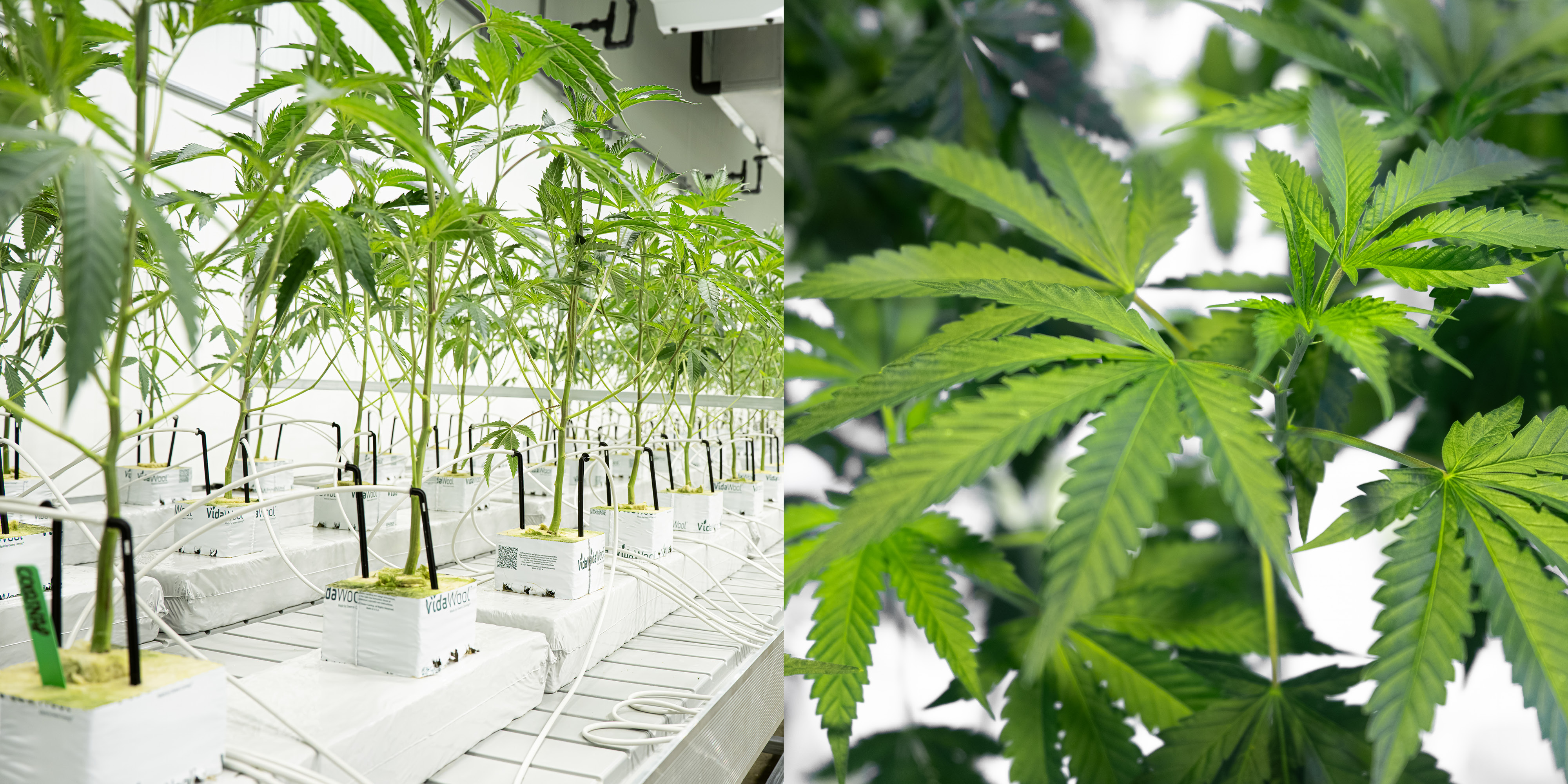
The vegetative stage establishes the structural and physiological foundation required to achieve high yields in flower. If the seedling stage is about survival, vegetative growth is about structure. This is when the plant builds its core framework: developing root mass and forming stems, branches, and fan leaves that must ultimately support heavy flower loads.
A weak vegetative phase leads to a compromised harvest. Yield cannot be forced in flower if the plant lacks the structural integrity to support it. This guide provides a technical, peer-to-peer breakdown of the vegetative stage, covering environmental parameters, precision crop-steering techniques, and training methods used to shape a canopy for success.
1. Understanding the Vegetative Stage of Cannabis
The vegetative stage is the period of growth between the seedling or clone phase and the flowering phase. During this time, the plant focuses entirely on producing leaves, stems, and roots. It is not producing buds; it is building the factory that will produce the buds later.
In this stage, the plant is photoperiod-dependent (unless it is an autoflower), meaning it will remain in a vegetative state as long as it receives more than 14-16 hours of light per day. The goal during this phase is to maximize vegetative growth by creating a lush, green canopy and a robust root zone capable of high nutrient uptake.
2. When Does Cannabis Enter the Veg Stage?
A seedling or clone officially graduates to the veg phase once it has established a viable root system and begins rapid foliar growth. In a controlled facility, this transition typically happens about 2 weeks after germination or after a clone is cut.
Duration: For indoor growers, the vegetative stage typically lasts 2 to 4 weeks, depending on the desired plant size and pot size.
- Short Veg (2 weeks): Common for high plant counts and smaller pots (1 gallon).
- Long Veg (4+ weeks): Required for larger pots (2–3 gallons) or lower plant counts where the grower needs to fill a large canopy area.
3. Light Cycle and Environmental Conditions for Veg
To drive rapid photosynthesis and prevent the plant from flowering, specific environmental parameters must be met to maintain the ideal Vapor Pressure Deficit (VPD).
Light Cycle: We recommend an 18/6 light cycle (18 hours on, 6 hours off). This provides the plant with ample energy for photosynthesis while allowing a necessary rest period for respiration.
- Spectrum: Use a blue-dominant spectrum to mimic the spring/summer sun. This promotes compact, bushy growth and tighter internodal spacing.
- Intensity: Target a PPFD of 300–600.
- Distance: Keep LED lights 18–24 inches from the top of the canopy to prevent light stress while ensuring penetration.
Climate Targets: The vegetative stage requires higher humidity and temperature than flowering to support rapid transpiration.
- Temperature: Maintain 72°F–82°F.
- Humidity: Keep relative humidity (RH) between 58% and 75%.
- VPD: Aim for a Vapor Pressure Deficit (VPD) of 0.8–1.0 kPa.
Grower Tip: If your environment is too cold or dry (high VPD), the stomata will close, halting transpiration and growth. If it is too humid (low VPD), the plant cannot transpire water effectively, leading to slow nutrient uptake and potential fungal issues.
4. Nutrients and Watering: Crop Steering for Structure
During the veg stage, the plant consumes high amounts of nitrogen to fuel leafy growth. However, how you water is just as important as what you feed. This concept is known as Crop Steering—manipulating irrigation volume and frequency to direct the plant's growth pattern.
Nutrient Formulation:
- Formula: Use a high-nitrogen vegetative formula (like Athena Grow A/B).
- Target EC: Input EC should generally be around 3.0 (Pro Line) or 2.1 (Blended Line) to support vigorous growth,.
- pH: Maintain a pH of 5.8-6.2
Root Zone Development and Early Dryback Strategy
The first dryback following the initial water-in is a critical root-building event. After fully hydrating the substrate for the first time, allowing a larger dryback of approximately 40–50% encourages roots to actively search for water and fully colonize the media.
Once this initial dryback has been achieved, growers can resume irrigation targets based on their chosen steering strategy, whether vegetative or generative. This early dryback is not intended to dictate long-term steering, but to establish a strong and expansive root system before canopy-driven irrigation decisions take over.
If plants remain overly wet during this early phase, roots have little incentive to expand beyond the immediate root ball. This often results in a shallow or underdeveloped root zone, limiting water and nutrient uptake later in the cycle and creating structural weaknesses that cannot be corrected in flower.
Key Principle:
Roots are built through intentional wet-to-dry cycles. Executing a meaningful dryback after the first water-in sets the foundation for a resilient root zone that supports aggressive vegetative growth and higher yield potential downstream.
Irrigation Strategy (Steering the Plant):
Growers can choose between two steering methods depending on their desired outcome for the canopy structure:
1. Vegetative Steering (Explosive Growth): This strategy minimizes stress to encourage rapid expansion of roots and shoots.
- Technique: Maintain small drybacks (keeping the substrate moist) and target higher runoff (8–16%). This keeps the substrate EC low (close to input EC),.
- Outcome: This signals the plant to focus on rapid vegetative expansion. It creates explosive growth and taller plants, which is excellent for filling a trellis quickly. However, be cautious: if unchecked, this can lead to excessive stretching and lanky plants.
2. Generative Steering (Compact Growth): This strategy uses controlled drought stress to restrict elongation.
- Technique: Allow for larger drybacks (letting the substrate dry out more between waterings) and target lower runoff (1–7%). This causes the EC in the substrate to rise (stacking).
- Outcome: The increased osmotic pressure signals the plant to conserve water. This results in a more compact plant with tighter internodal spacing and thicker stems, which is ideal for height-restricted rooms or cultivars prone to stretching.
Grower Tip: Most growers utilize vegetative steering during the early veg phase to establish roots, then may switch to generative steering briefly if the plants are growing too tall too quickly before the flip.
5. Training Techniques During Veg Stage
Left alone, a cannabis plant grows like a Christmas tree—one dominant main cola and smaller lower branches. To maximize yield indoors, we typically manipulate the plant to create a flat, even canopy.
Topping (Apical Pruning): Around Day 5 of the veg stage (or once the plant has 4–5 nodes), you should "top" the plant.
- How: With a clean pair of scissors, snip the newest growth tip at the very top of the main stem.
- The Result: This breaks apical dominance, redistributing auxin hormones to the lower branches. Instead of one main cola, the plant will develop two or more dominant tops, creating a bushier structure.
To Top or Not to Top: Strategy for Quick Veg Cycles In high-density setups or short vegetative cycles (roughly 2 weeks), topping is not always the best strategy. For growers aiming for a rapid turnaround, skipping the topping process maintains apical dominance, directing the plant's energy into creating one large, central main cola. This method eliminates the recovery time plants need after high-stress training, allowing for a faster transition to the flowering stage.
However, this decision is highly strain dependent:
- Compact Strains: Slower-growing or naturally bushy cultivars often benefit from being left untopped in short cycles to maximize vertical growth and central bud development.
- Vigorous Strains: Fast-growing strains that stretch significantly during the flowering transition may still require topping, even in short veg cycles, to manage height and prevent the canopy from growing into the lights.
Low Stress Training (LST) & Trellising: Around Week 2, install a trellis net. As the branches grow, weave them through the trellis squares.
- Spread: Pull the taller branches outward to the next square.
- Weave: Tuck branches under the net to expose the center of the plant to light.
- Goal: Fill every square of the trellis with a bud site before flipping to flower.
6. Healthy Vegetative Growth and Troubleshooting
A healthy veg plant has vibrant green leaves, thick stems, and turgid (upright) posture. However, this stage is also where pests and environmental issues often gain a foothold.
IPM (Integrated Pest Management): The veg stage is your window for preventative sprays because there are no buds to contaminate.
- Routine: Spray a preventative mix (like Athena IPM + Stack) 2 times per week.
- Procedure: Fully saturate the substrate first to prevent root uptake of the spray. Spray only when lights are OFF to avoid burning the leaves.
Common Issues:
- Purple Stems: Often a sign of magnesium deficiency but is most often a product of improper environment.
- Slow Growth: Usually caused by overwatering (substrate too wet/cold) or temperatures under 72°F.
- Pests: Inspect the undersides of leaves daily for spider mites or aphids.
7. Transition From the Vegetative to the Flowering Stage
The transition, often called "the flip," occurs when you change the light cycle to 12 hours on / 12 hours off and switch the spectrum to Red.
Before you flip:
- Check Height: Remember that plants can double in size during the "stretch" phase of early flower. If your lights are 24 inches above the canopy, flip before the plants get too tall.
- Fill the Canopy: Ensure your trellis is full.
- Clean Up: Perform a final check for pests and ensure the root zone is healthy.
8. Extending or Shortening Veg Time
The length of your vegetative stage is a tool you can control.
- Shortening Veg: If you have high plant counts or restricted ceiling height, shorten veg to 2 weeks to keep plants smaller.
- Extending Veg: If you have fewer plants, extend veg to 4–6 weeks to allow them to grow large enough to fill the entire canopy space. Note that larger plants require larger pots (2–3 gallons) to support the root mass.
9. Common Questions Growers Ask About Veg Stage
How long does cannabis stay in the veg stage? Indoors, it stays in veg as long as you keep the lights on for 18+ hours. Typically, growers flip after 2–4 weeks. Outdoors, nature dictates the schedule, usually lasting from spring until late summer.
Should I remove fan leaves during veg? Only remove leaves that are damaged or blocking significant airflow. Heavy defoliation is usually reserved for the flowering stage (Day 21 and 42).
What nutrients are best for vegetative growth? Nitrogen is the primary driver of vegetative growth. Use a balanced 2-part formula like Athena Grow A/B which provides the necessary N-P-K ratios and micronutrients.
10. Key Takeaways for a Successful Cannabis Veg Stage
Mastering the cannabis veg stage sets the trajectory for your entire run.
- Environment is King: Maintain 72°F–82°F and 58–75% RH. If you drift outside these ranges, growth slows immediately.
- Steer with Intent: Use Vegetative Steering (high runoff, small drybacks) for rapid growth, or Generative Steering (low runoff, large drybacks) to control height and stack nodes.
- Train Early: Top your plants and use a trellis to turn one main cola into ten. A flat canopy equals higher yields.
- Prevent Pests: Use the vegetative timeframe to spray preventatively 2x per week. You cannot spray once buds form.
By focusing on these fundamentals, you build a plant structure capable of supporting the heavy, resinous flowers you aim to harvest.
Subscribe to our newsletter
Athena® exists to support the modern grower, no matter the scale. Our core principle is to formulate products that improve quality, reduce costs and drive consistency. Athena® was born in the grow rooms of Los Angeles, California, where we are always in pursuit of the perfect run. As the weight of being a cultivator increases, we exist to make the complex simple.
Related posts

Wet Trim vs Dry Trim: Understanding Cannabis Trimming Methods
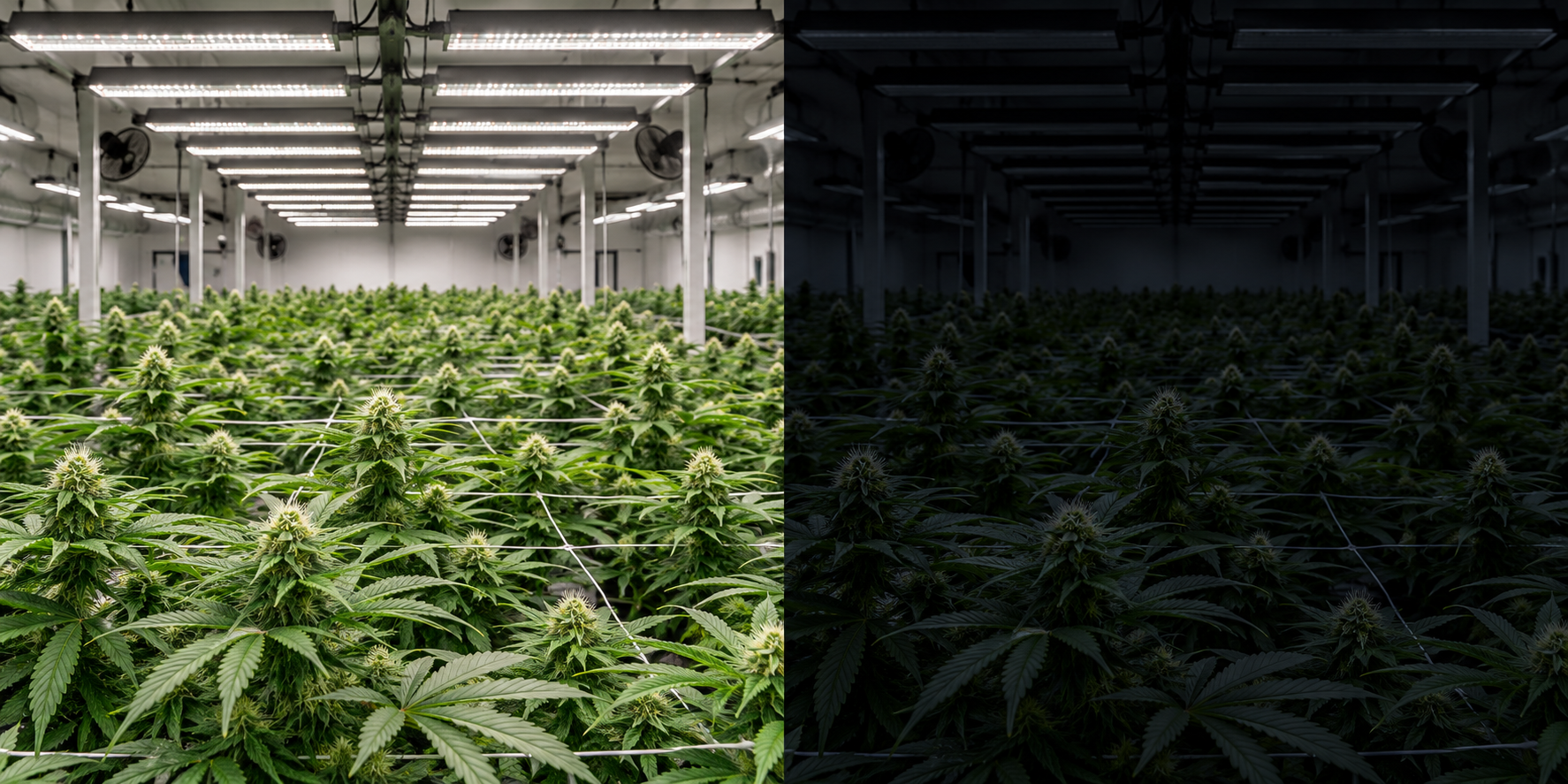
What Is Cannabis Photoperiod? A Grower's Guide to Light Cycles
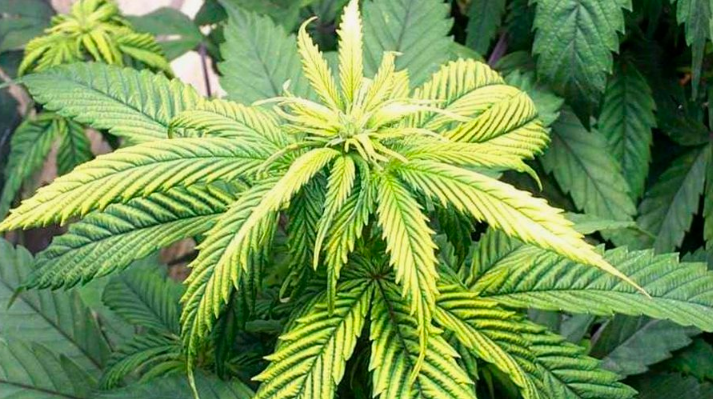
Cal-Mag Deficiency in Cannabis: How to Diagnose Calcium and Magnesium Deficiencies

